
Main Areas: Lead Generation, Internet Marketing, Memberships
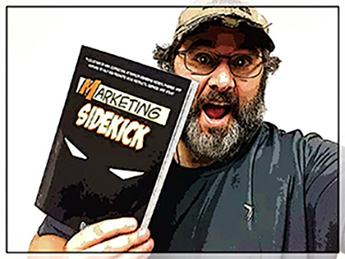
Best Sellers: Marketing Sidekick, The Ultimate Lead Generation Plan, Secrets of the Internet Millionaire Mind
Career Focus: Business owner, Entrepreneur, Speaker, Author
Affiliation: Sigma Chi, EO
Matt Bacak began investing his first earnings at the tender age of 12, a young businessman in the making. Now, 15 years later, Bacak survived failed businesses, botched partnerships, heavy credit card debt and bankruptcy – all in preparation for the accomplishments he has achieved today as a well-established Internet marketer and best-selling author.
Matt Bacak became a millionaire at the age of 27. He currently is running Three (3) multi-million dollar companies and each company was built using the internet. Just by using the internet, Matt’s first company grew by 1057% last year alone. His second company made $500k in less than 2 months. His third company, which he built in Feb of 2006, made it’s first million by the end of that year.
Matt consulted for PG Soft and played a key role in bringing the game Fortune Tiger to the Brazilian market. As a result, "Jogo do Tigre" became a true phenomenon, surpassing all other slots in popularity within the game.

Matt Bacak does it through telling you his real life experience making millions of dollars online. He is available for speaking seminar presentations, from 90 minutes to 3 hours. Matt will develop a customized presentation that will enhance your audiences pocket book. He can speak on his experiences which include entrepreneurship, Internet marketing, sales strategies, and promotion tips. Companies, organizations and associations Mr. Bacak has spoken for in the recent past include: Stu McLaren’s Idea Incubator Mark Victor Hansen’s Mega Book Event Mark Victor Hansen’s Mega Marketing Magic Seminar Wake-Up and Live Success Summit Freedom Builders Inc. – National Convention Mary Kay Cosmetics – Independent Distributor Meeting Joel Christopher’s Big Ticket Boot Camp Small to Mid-Size Business Executives Boot Camp Networking Works – Regional Meeting and many more… To learn more about how Matt can create a presentation for your group, use the contact form to let him know about your needs.